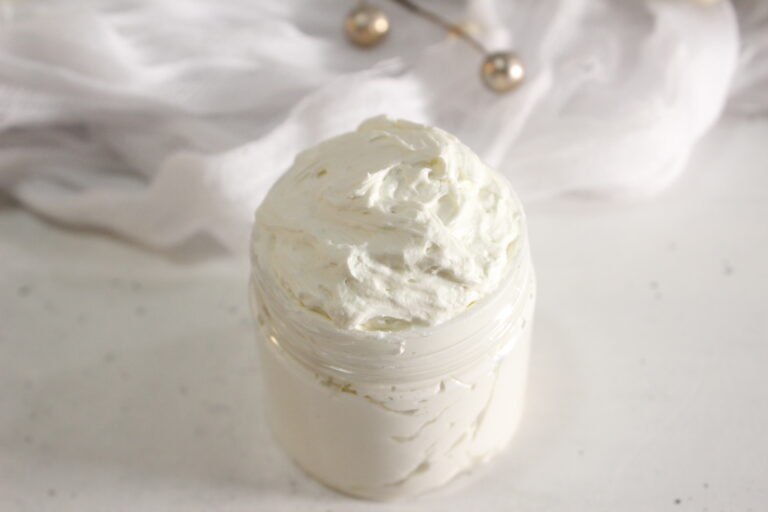
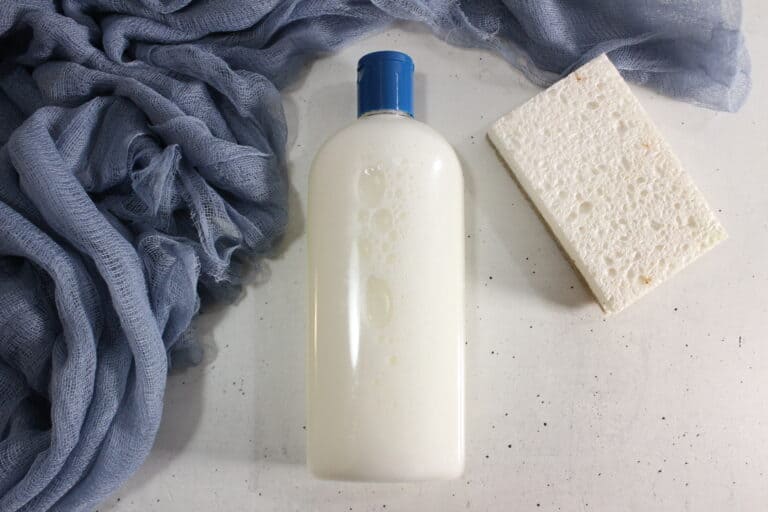
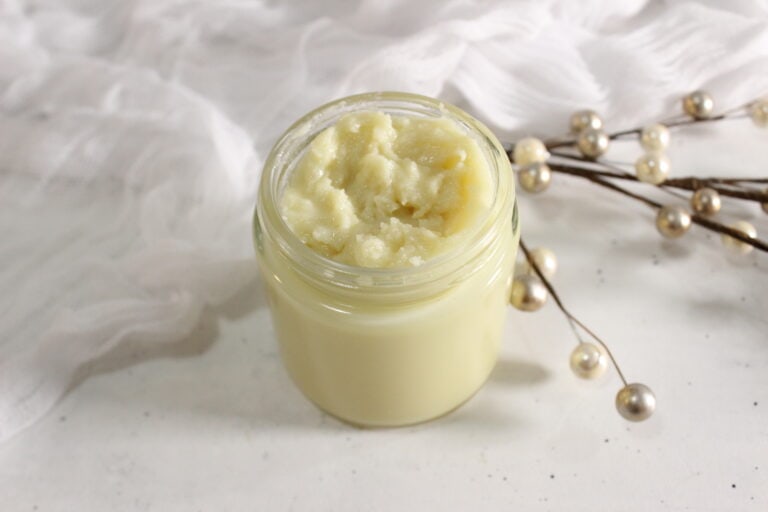
There’s something so satisfying about creating products from scratch and knowing exactly what goes into them. This rosemary shampoo is one of my favorite homemade hair recipes lately.
Keep in mind that if you’re switching to a more natural shampoo, your hair and scalp may need a little time to adjust. During the transition period, your hair may temporarily feel greasier, drier, or even a bit more tangled than usual.
Don’t panic if this happens it’s completely normal. For some people, it can take a few weeks and sometimes up to a month for hair to fully adapt to a new natural routine. Once your hair adjusts, many people find that it begins to feel more balanced and manageable over time.
Featured Product
30 Homemade Tallow Recipes Ebook
Discover 30 simple, nourishing recipes designed to help you make beautiful homemade products naturally.
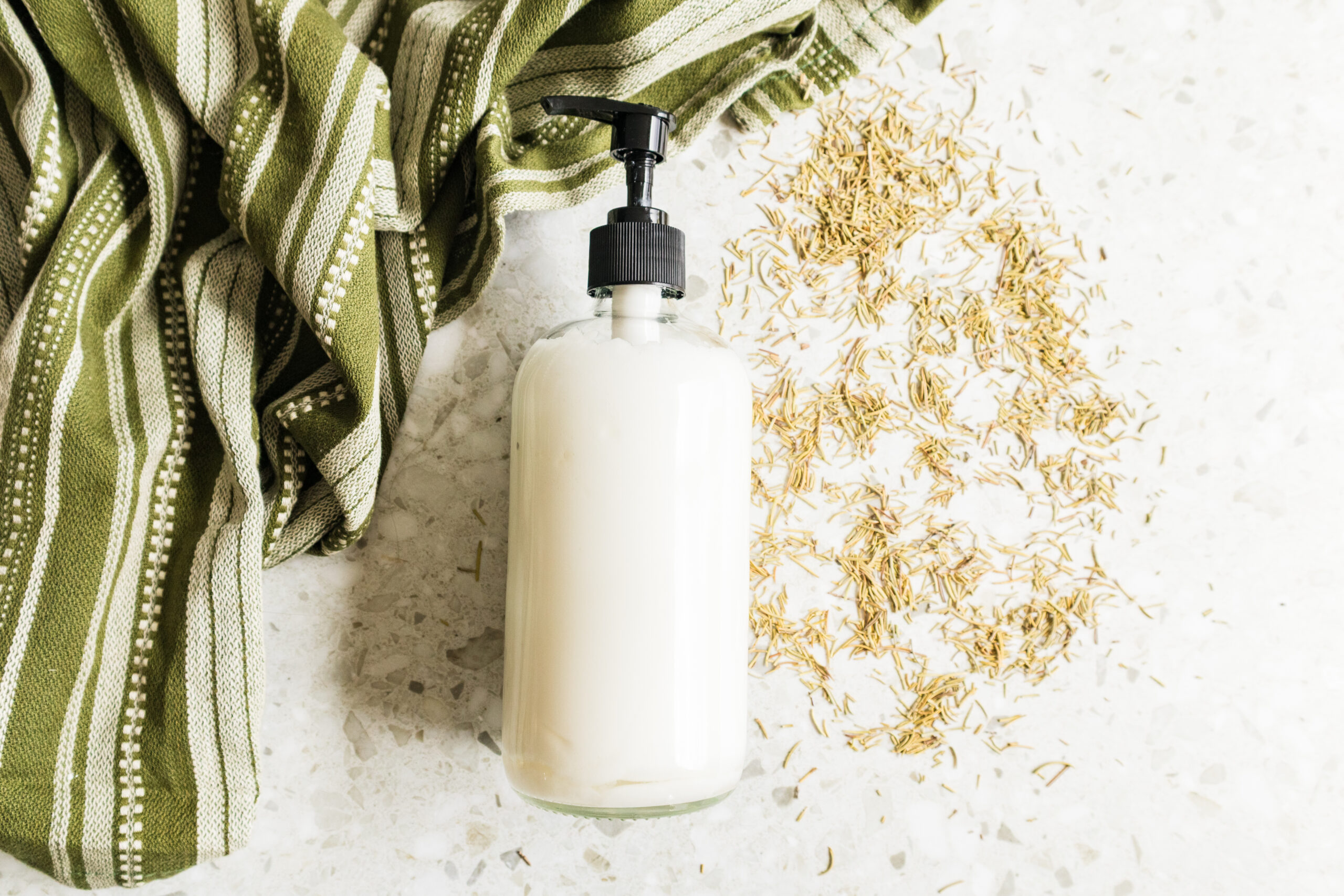
One thing I especially love about this shampoo is that it feels much more conditioning than many homemade recipes. It’s gentle enough for dry, damaged, or easily tangled hair while still giving a good cleanse.
This recipe makes approximately 8 ounces.
Homemade Rosemary Shampoo Recipe
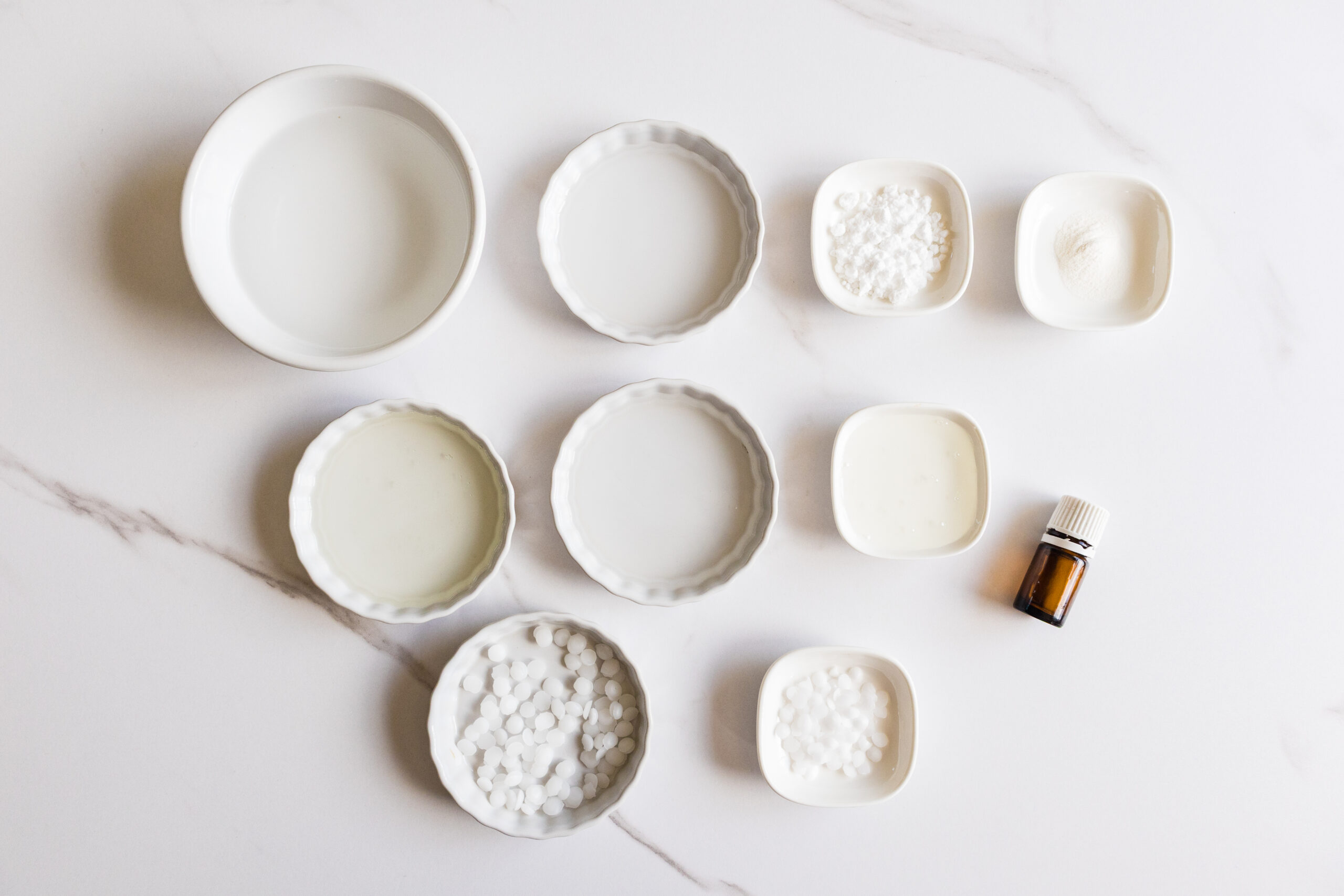
Water Phase
- 1/2 cup distilled water
- 1 tablespoon + 1 teaspoon vegetable glycerin
- 3/4 teaspoon panthenol
- 1/4 teaspoon xanthan gum
Surfactant Phase
- 2 tablespoons + 1 teaspoon decyl glucoside
- 1 tablespoon + 2 teaspoons cocamidopropyl betaine
- 2 teaspoons coco glucoside
Conditioning Phase
- 1 tablespoon BTMS-50
- 2 teaspoons cetyl alcohol
Cool Down Phase
- Preservative of choice (follow your supplier’s directions)
- 58 drops rosemary essential oil (about 1/3 teaspoon)
How to Make Rosemary Shampoo
1. Prepare the Water Phase
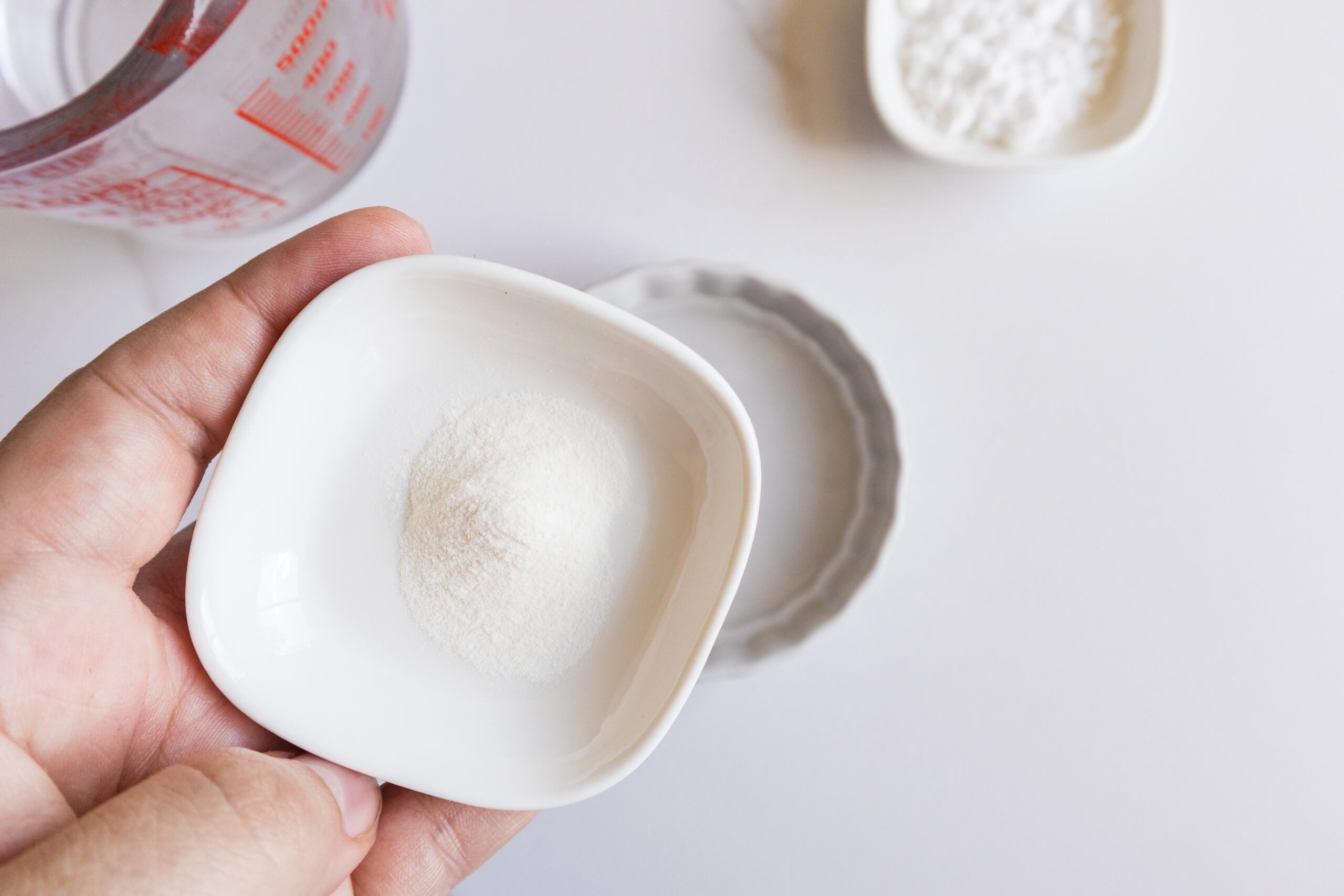
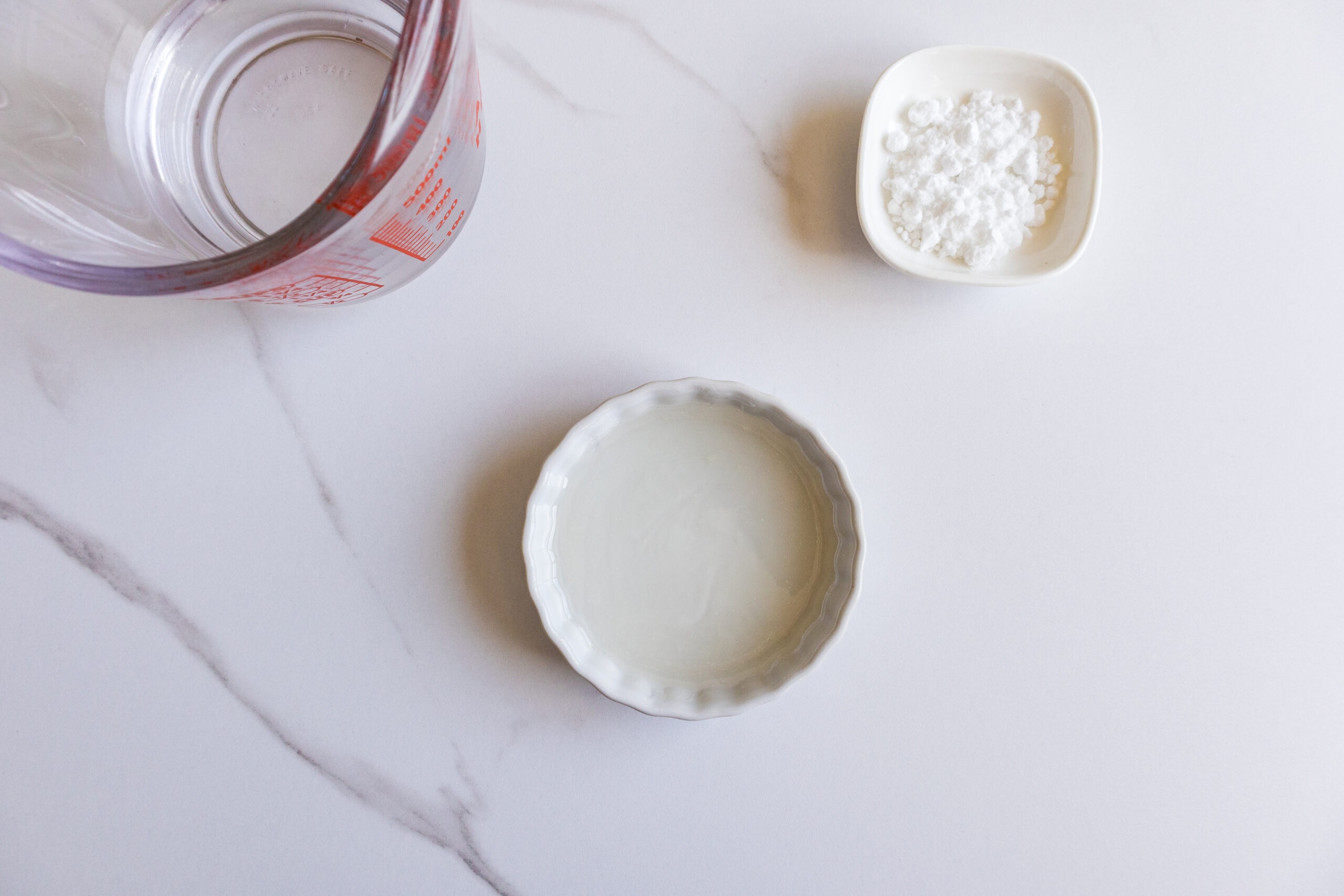
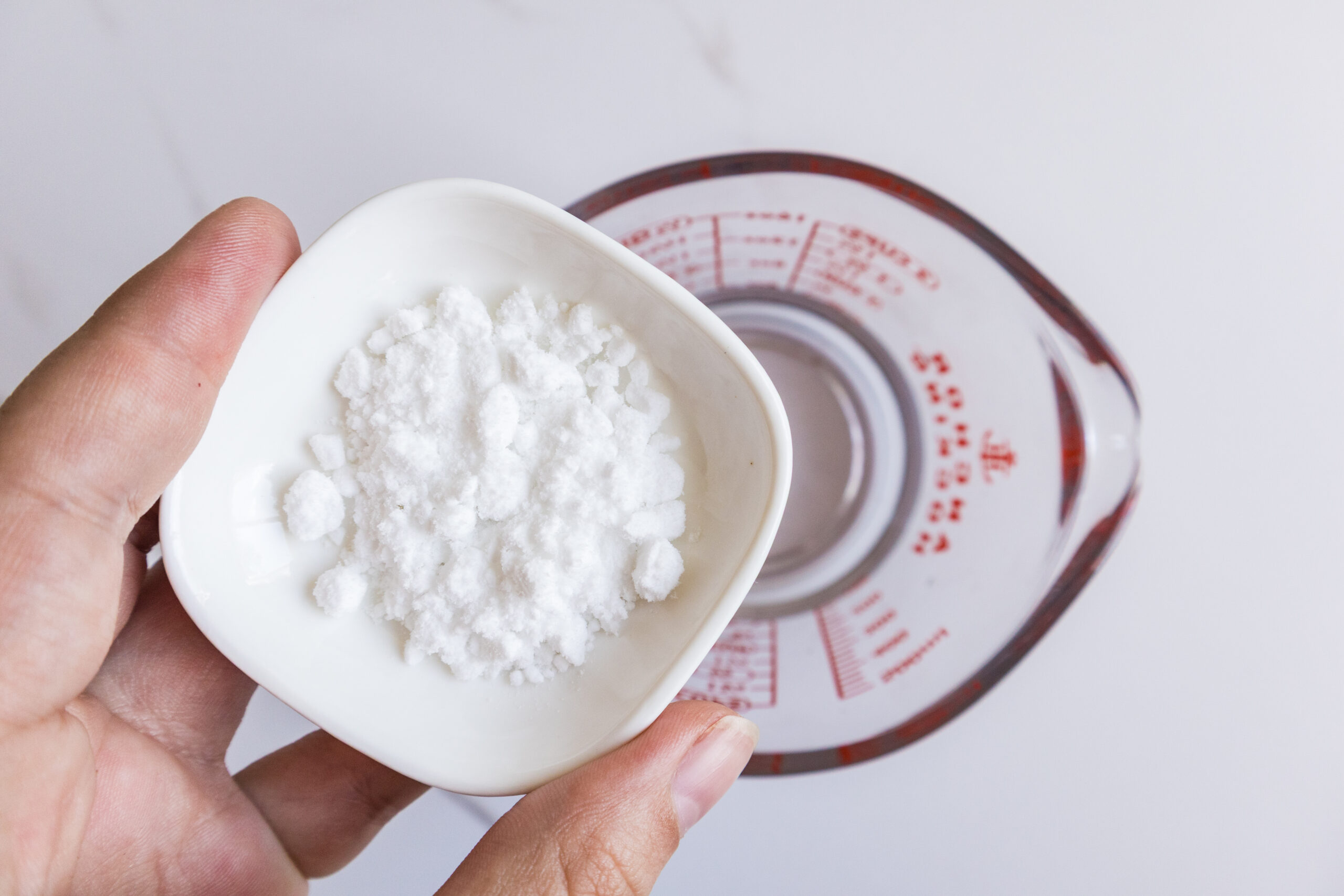
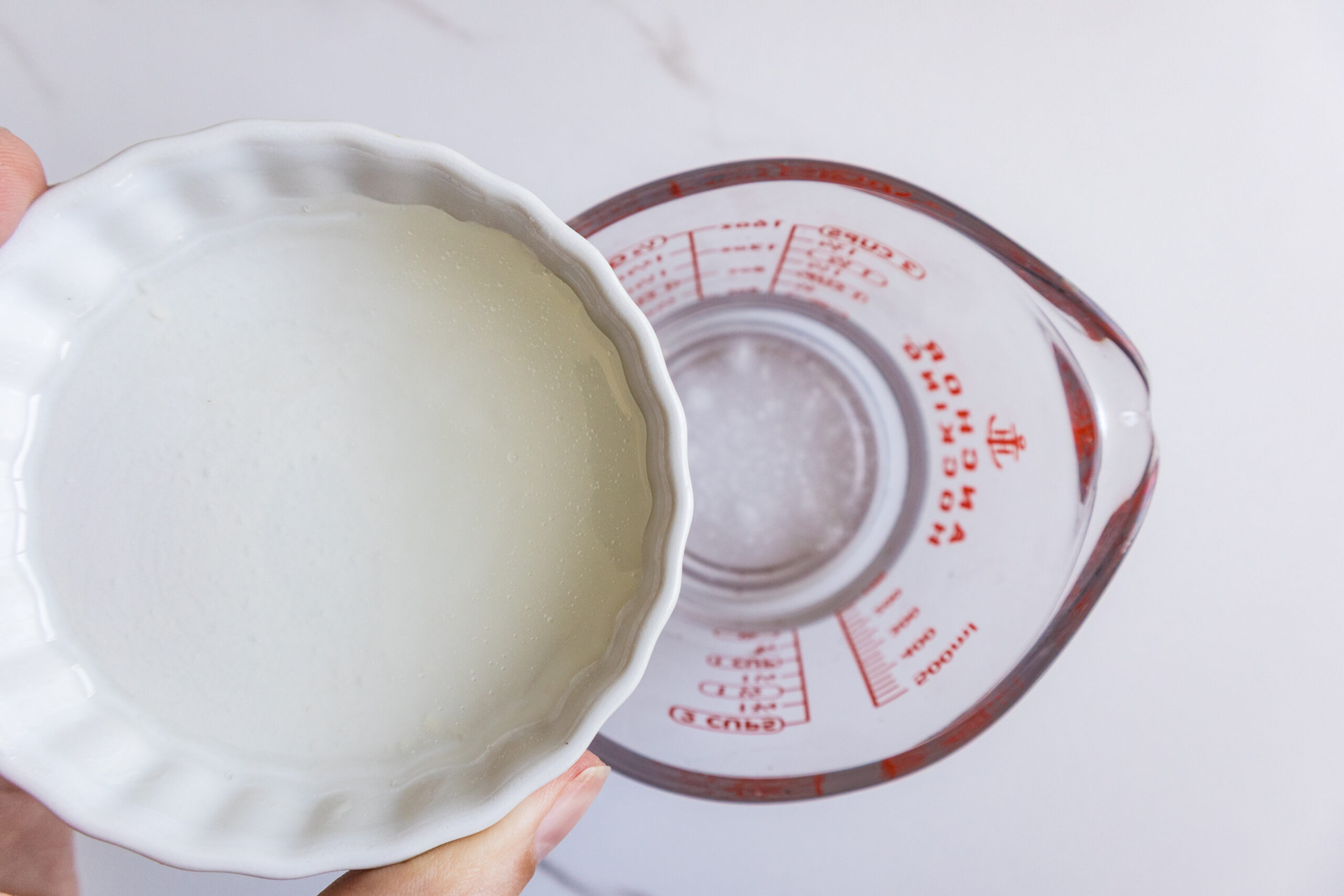
In a heat-safe container, combine the vegetable glycerin and xanthan gum first. Mixing these together before adding water helps prevent clumping.
Once combined, add the distilled water and panthenol and stir well.
2. Prepare the Conditioning Phase
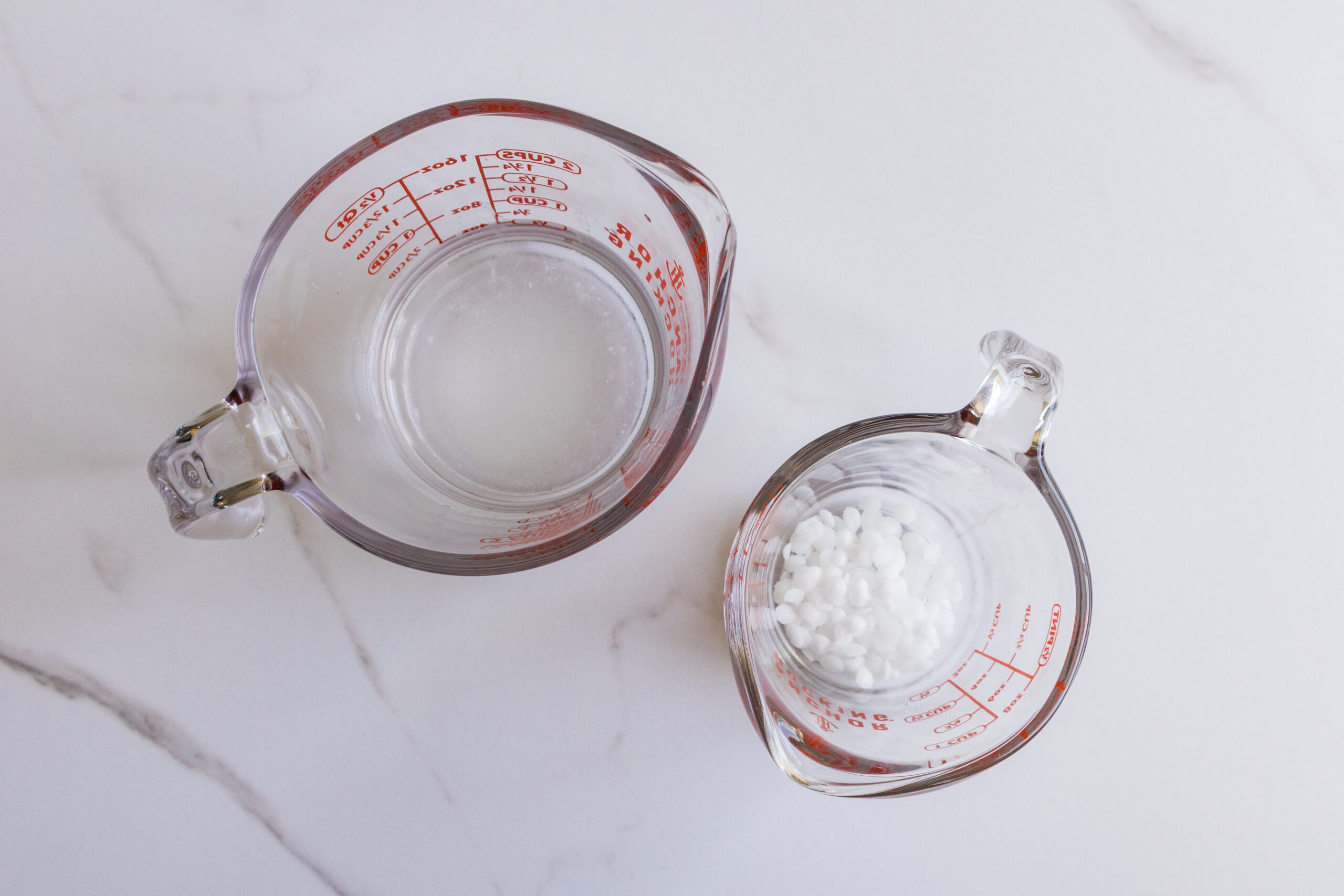
In a separate heat-safe container, combine the BTMS-50 and cetyl alcohol.
3. Heat Both Mixtures
Using a double boiler, gently heat both containers until the conditioning ingredients completely melt and both phases reach approximately 160–170°F.
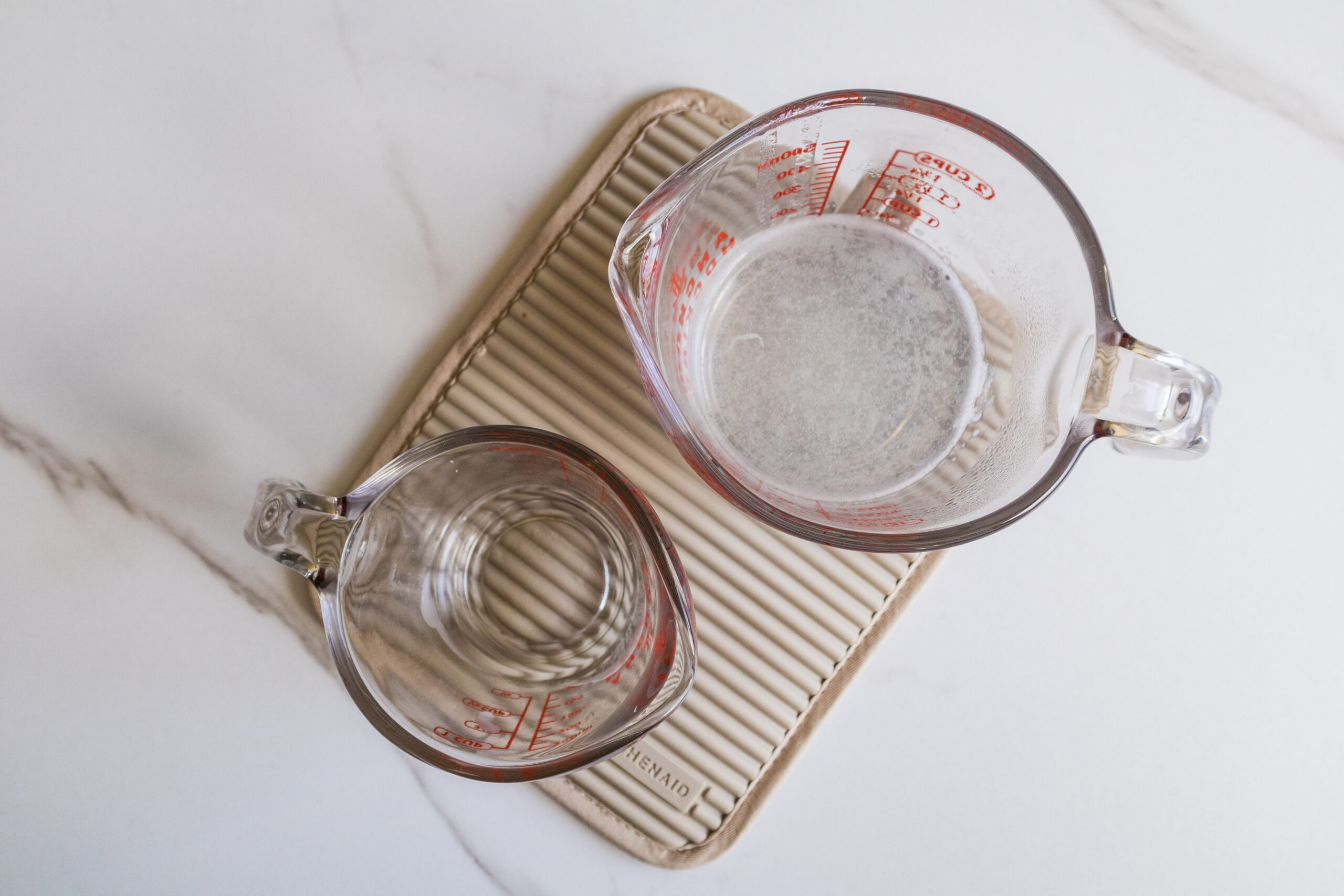
Having both phases at similar temperatures helps everything blend smoothly.
4. Combine and Blend
Pour the conditioning phase into the water phase and mix thoroughly.
Want to save this for later?
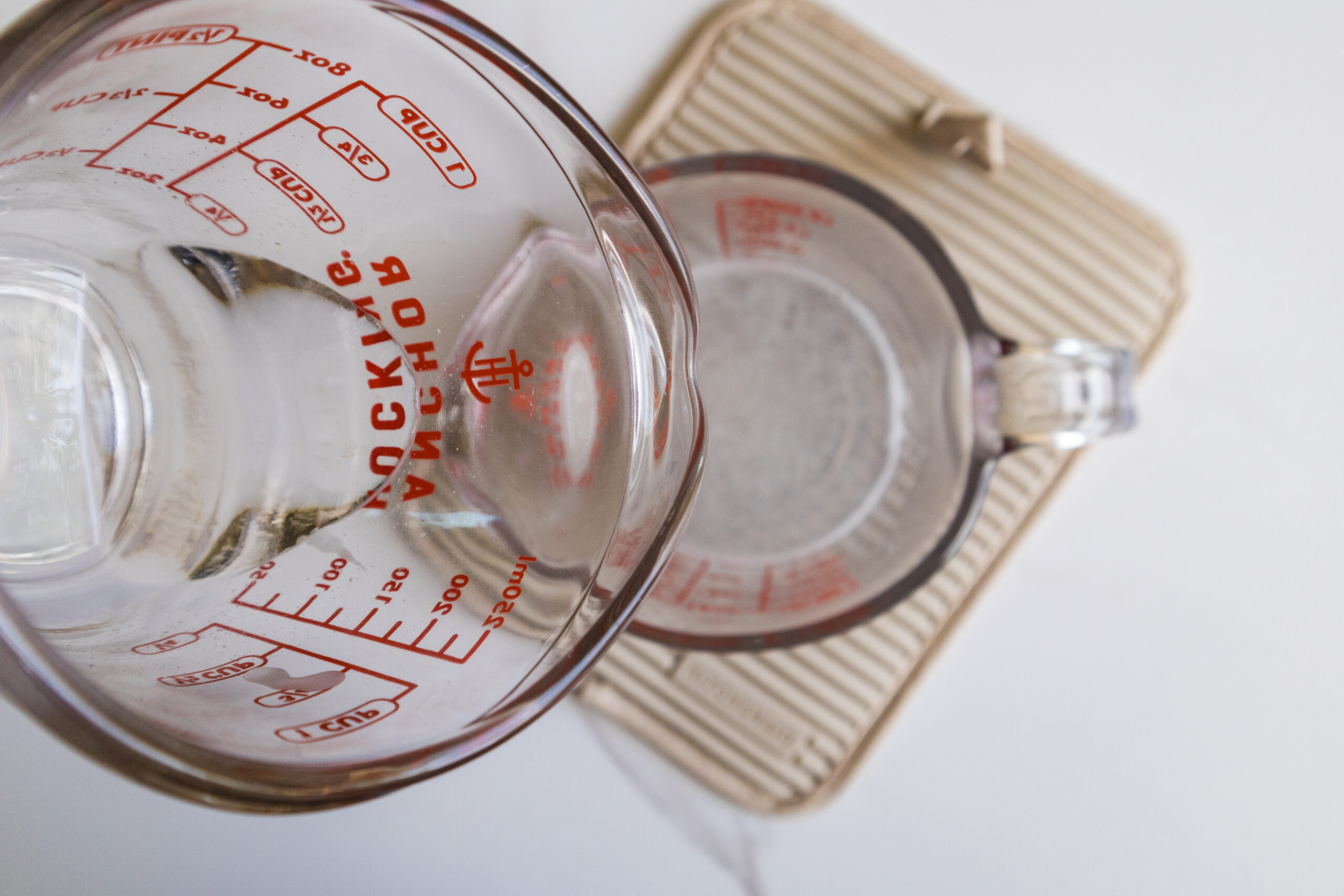
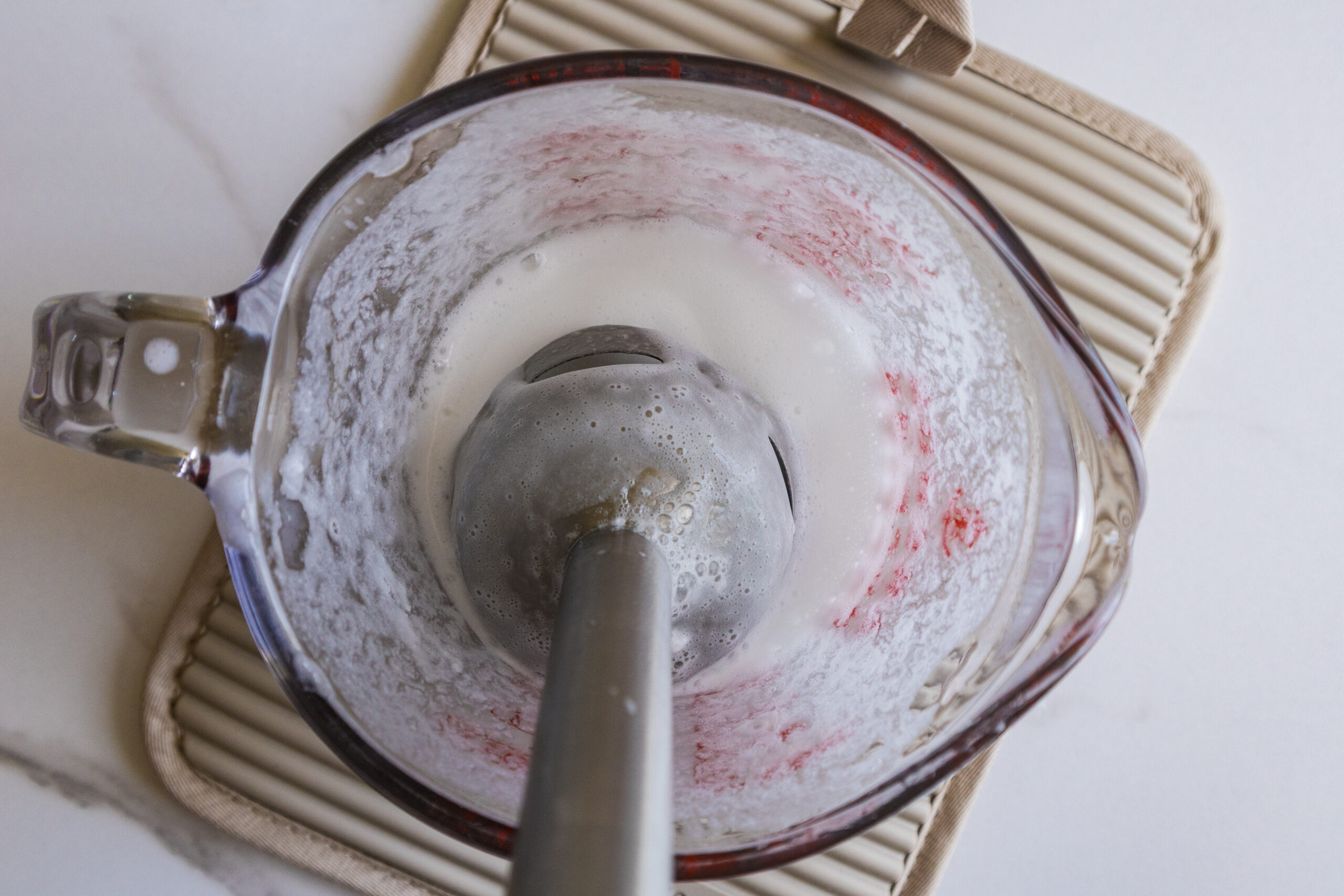
For a smoother texture, use short bursts of an immersion blender.
Blend only until smooth.
5. Slowly Add the Cleansing Ingredients
Gently stir in:
- Decyl glucoside
- Cocamidopropyl betaine
- Coco glucoside
Mix slowly with a spatula or stirring stick.
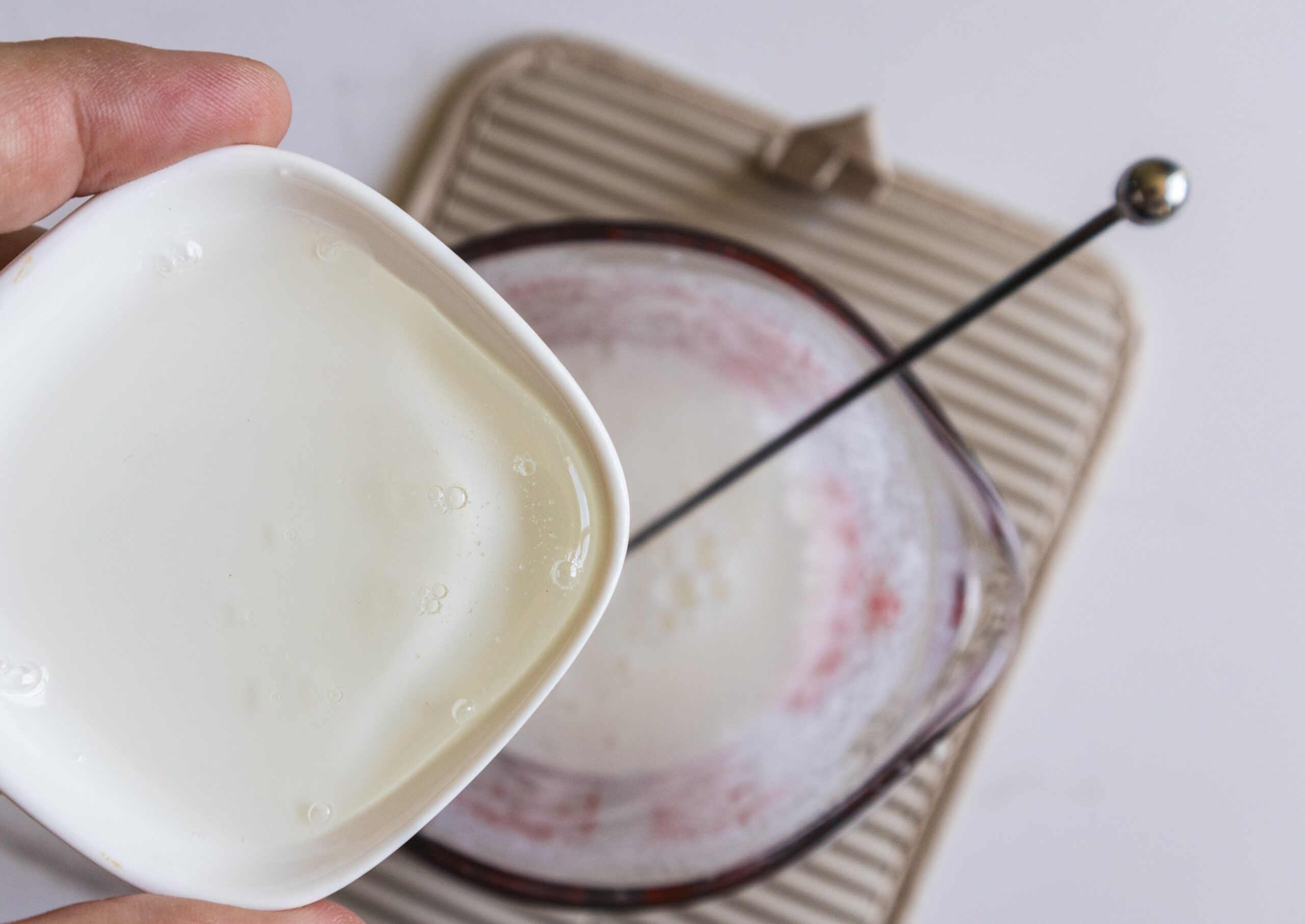
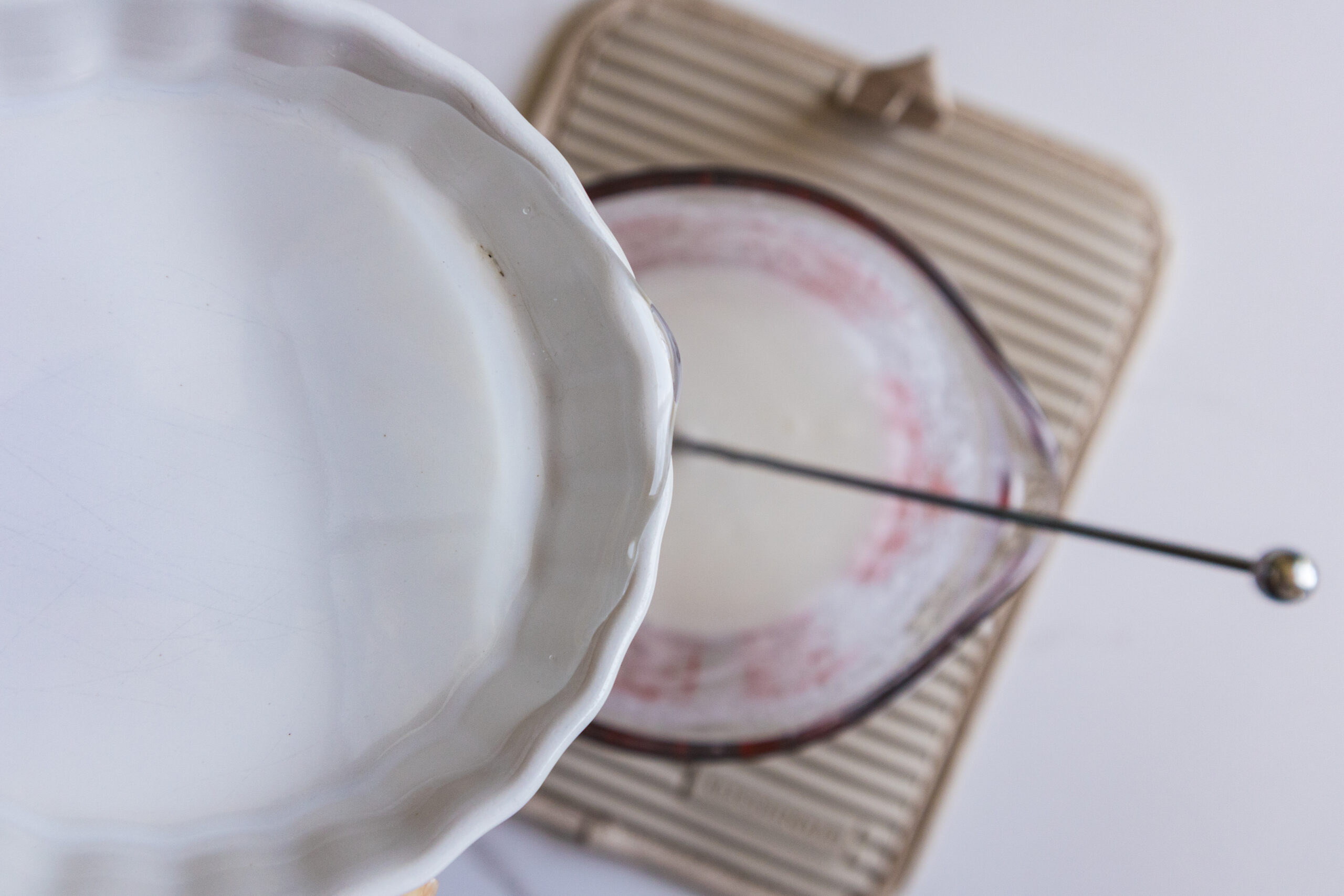
Avoid using an immersion blender during this step because surfactants create a lot of foam and bubbles.
6. Cool the Shampoo
Allow the mixture to cool below 100°F before moving to the next step.
Cooling protects the preservative and essential oils from degrading.
7. Add the Rosemary Essential Oil and Preservative
Stir in your preservative according to your supplier’s recommended usage rate.
Add the rosemary essential oil and gently stir everything together.
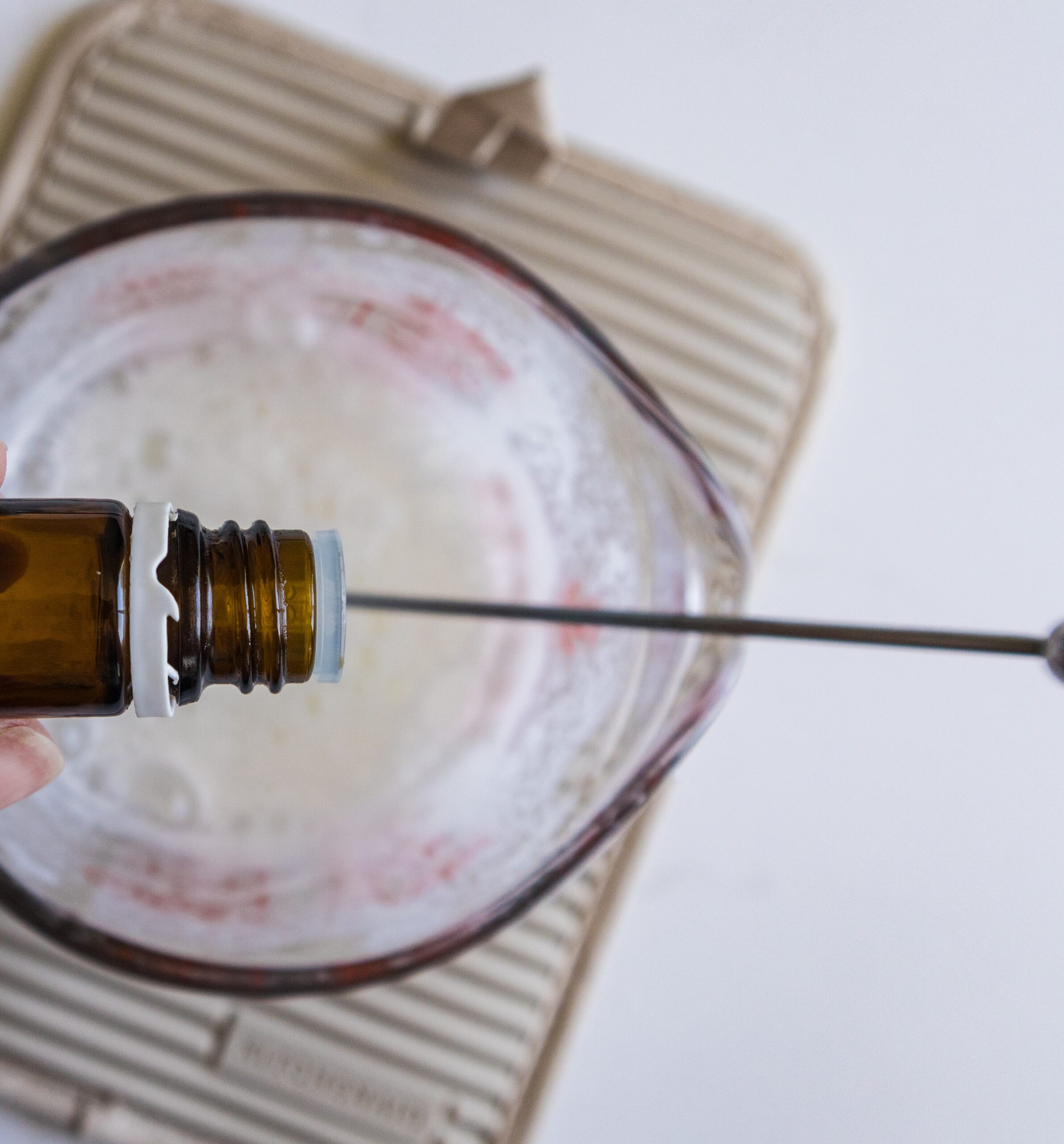
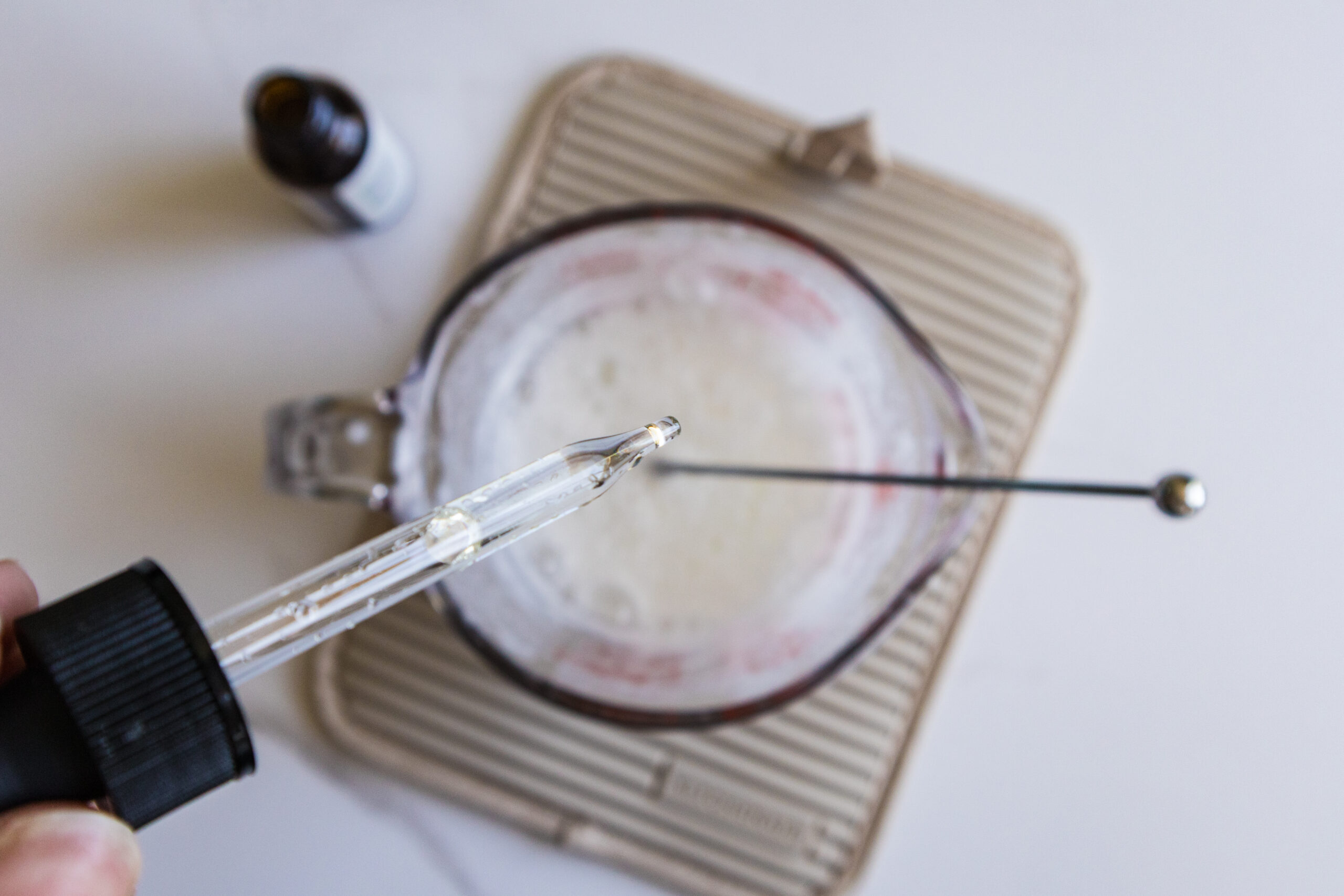
Let the mixture sit for about 5 minutes.
8. Test and Adjust the pH
Check the pH and adjust if necessary so the shampoo falls between 4.5–5.5.
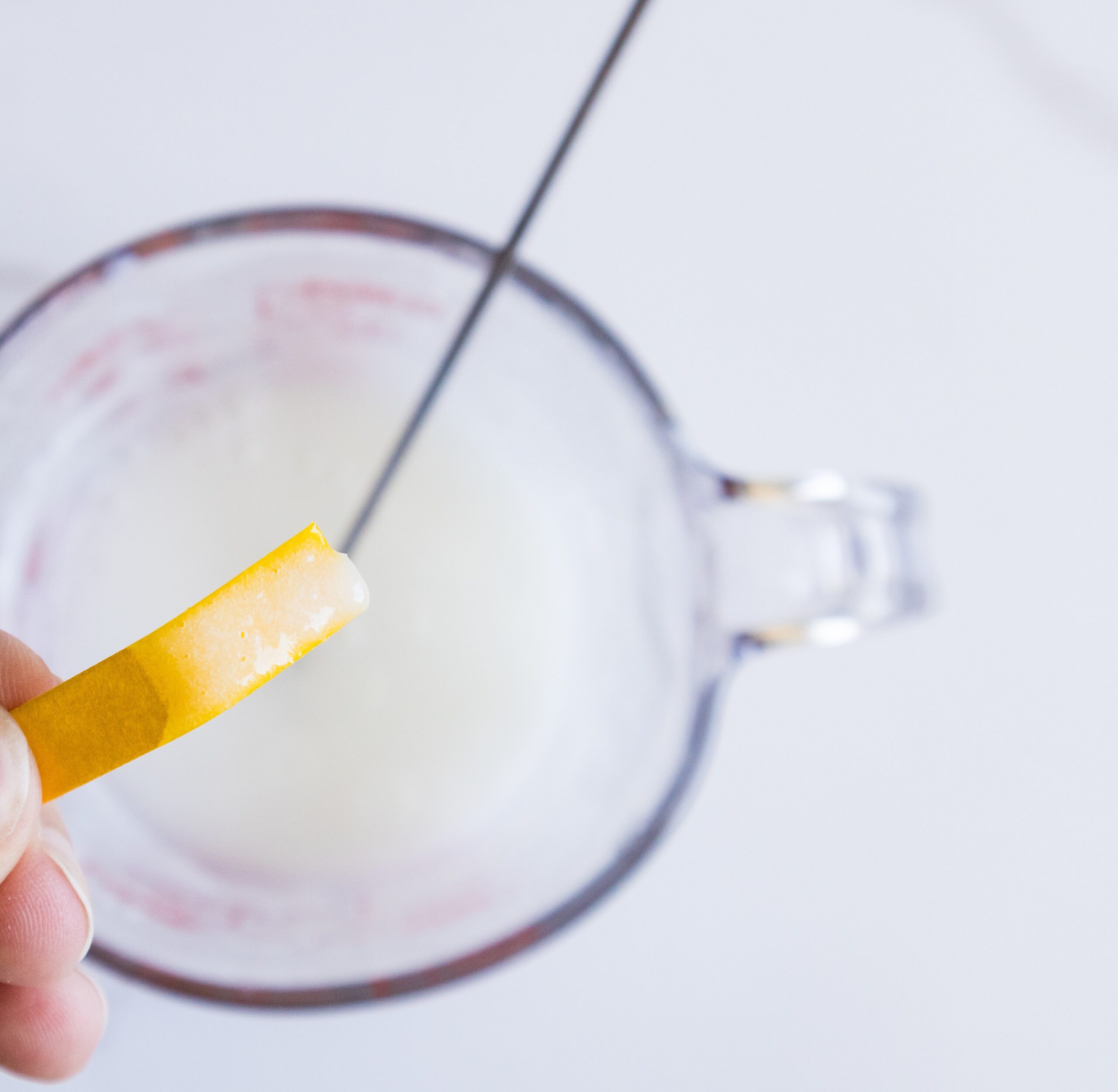
Hair and scalp generally prefer a slightly acidic pH, which can help improve feel and manageability.
To lower the pH, create a citric acid solution by mixing:
- 1 teaspoon citric acid
- 9 teaspoons distilled water
Add only a few drops at a time, stir, and test again before adding more.
9. Bottle and Wait
Pour your shampoo into bottles and allow it to fully thicken for 24 hours before using.
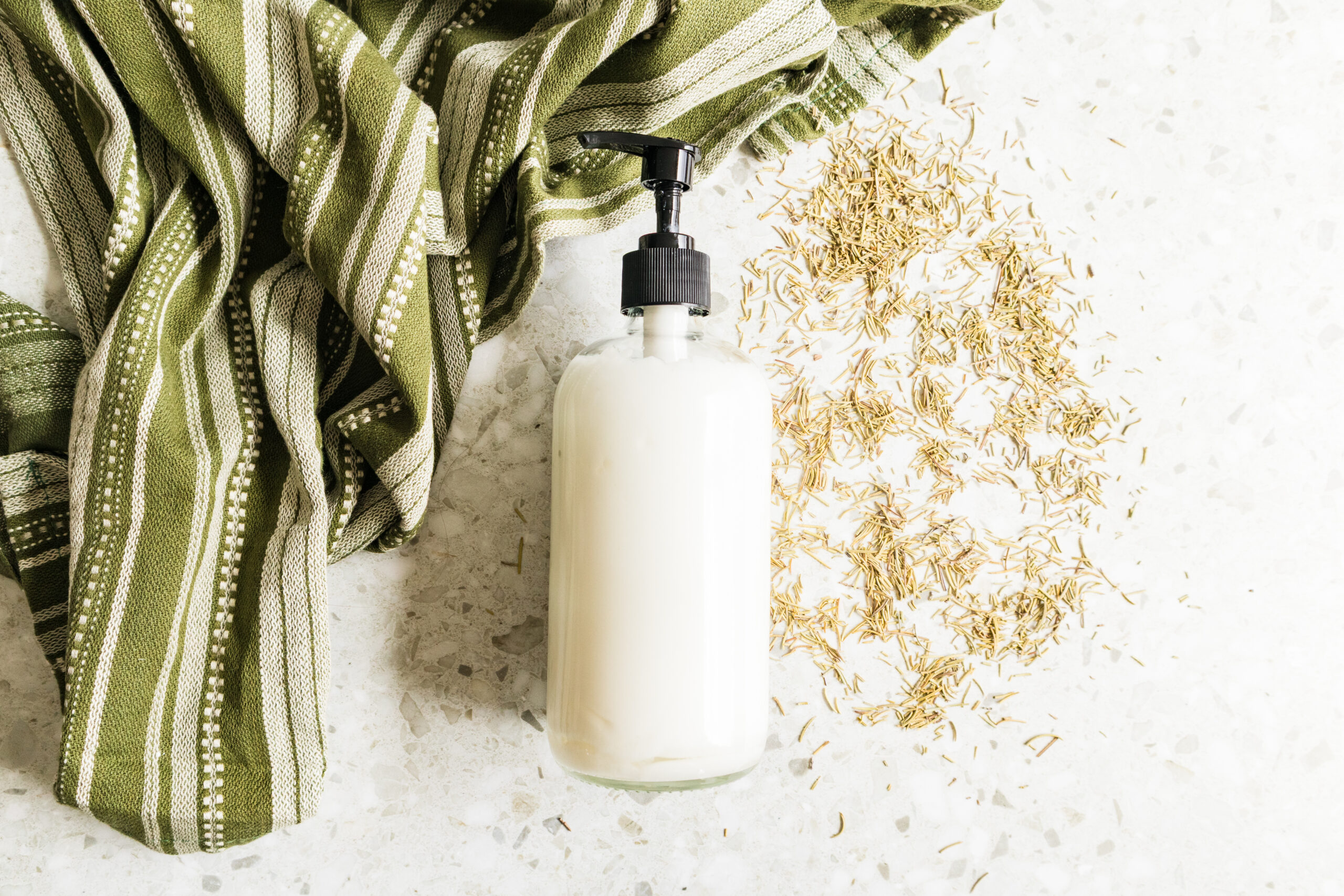
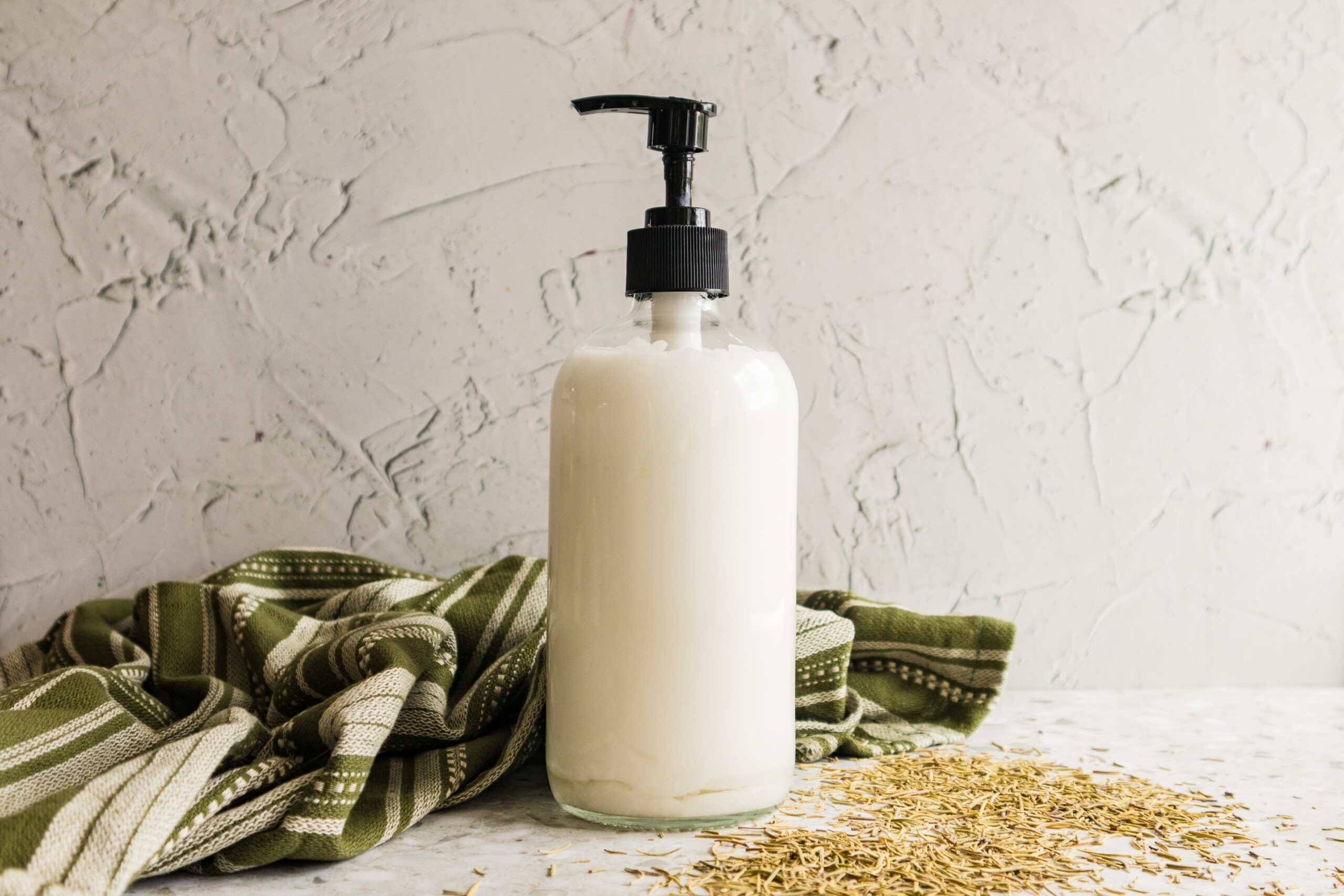
The texture often improves overnight.
Notes
- This shampoo creates a gentle, conditioning cleanse that works especially well for dry or damaged hair.
- Store in a cool, dry place.
- Because this recipe contains water, a preservative is required for safety and shelf life. Skipping it can lead to bacterial or mold growth.
Rosemary Shampoo
Ingredients
Water Phase
- 1/2 cup distilled water
- 1 tablespoon + 1 teaspoon vegetable glycerin
- 3/4 teaspoon panthenol
- 1/4 teaspoon xanthan gum
Surfactant Phase
- 2 tablespoons + 1 teaspoon decyl glucoside
- 1 tablespoon + 2 teaspoons cocamidopropyl betaine
- 2 teaspoons coco glucoside
Conditioning Phase
- 1 tablespoon BTMS-50
- 2 teaspoons cetyl alcohol
Cool Down Phase
- Preservative of choice follow directions on yours for correct amount
- 58 drops rosemary essential oil about 1/3 teaspoon
Instructions
- In a heat-safe container, combine the vegetable glycerin, and xanthan gum. Once combined, add in the distilled water and panthenol.
- In a separate heat-safe container, combine the BTMS-50 and cetyl alcohol.
- Heat both phases using a double boiler until the conditioning phase is fully melted and both phases are around the same temperature (about 160-170°F).
- Pour the conditioning phase into the water phase and mix well until smooth. You can use short bursts of an immersion blender in this step.
- Gently stir in the decyl glucoside, cocamidopropyl betaine, and coco glucoside, mixing slowly to avoid excess bubbles. Do NOT use the immersion blender here, only a stick and go slowly.
- Allow the mixture to cool below 100°F.
- Stir in the preservative and essential oils. Wait 5 minutes.
- Test and adjust the pH to around 4.5-5.5 using a diluted citric acid solution if needed.
- Pour into bottles and allow the shampoo to fully thicken for 24 hours before use.
Notes
- This formula creates a gentle, conditioning cleanser that works well for dry, damaged, or easily tangled hair.
- Store in a cool, dry place.
- Because this contains water, a preservative is necessary or it will not last.
- To lower the pH, make a simple citric acid solution by mixing 1 teaspoon citric acid with 9 teaspoons distilled water. Add a few drops at a time after the shampoo has cooled, stirring well and re-testing the pH between additions until the shampoo reaches a pH of about 4.5-5.5.